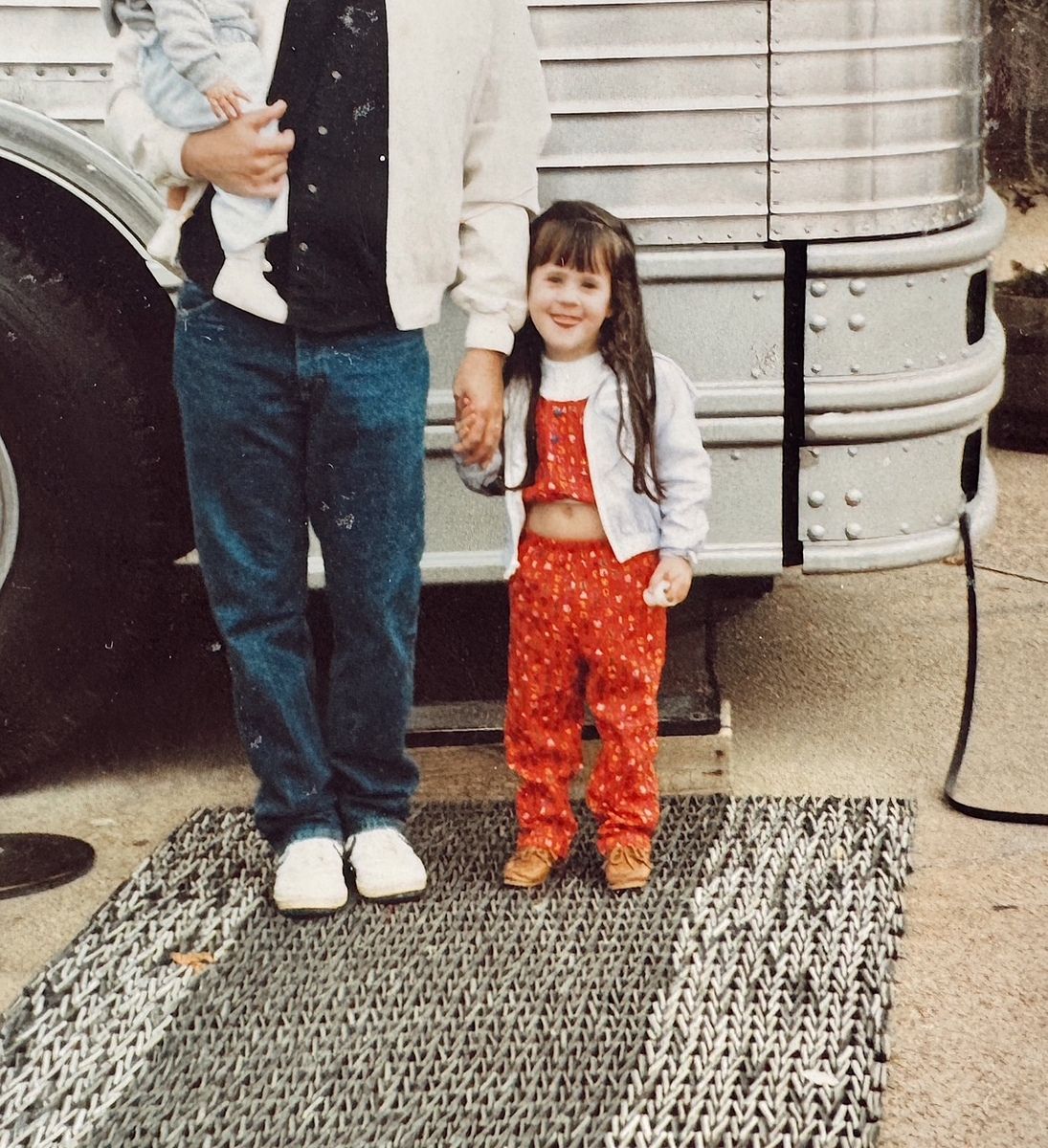

I’ve never written about AI but today is the day to jump in with all my clothes on.
A few years back I signed up for an e-course and after I was well into the material, I realized it was all written by AI. As I tried to read the long, droning PDF I was distracted and annoyed. I had thought the instructor was interesting and clever, but this felt like a cheap cash grab.
The first instinct I felt was pity and secondhand embarrassment… like, “oh gosh, should I tell them they have ketchup on their face?”.
The second instinct: “This is bullshit!”. I would have preferred the laziest human-written course, riddled with typos or dictated without editing. I would have forgiven those things if the content was informative, but this was unforgivable. My trust was broken.
The experience taught me that I didn’t want to put out a bunch of content that made others feel that way. It taught me that the time saving shortcuts of using AI for professional work might come at a terrible cost. It made me cautious.
In hindsight, I’m grateful I had this experience to serve as a warning. The past five years has been a HUGE learning curve, and I’m sure the next five will be too. As people who grew up believing everything we saw, from an era where photos were hard proof, we’re now slowly retraining our brains to second-guess everything.
It’s disorienting.

My first draft. She was ureadable, but she was mine.
When I started writing my current novel in earnest (3-ish years ago) I understood that it was considered off limits to use AI for any part of the writing process, but I didn’t truly think it would matter. I just wanted to be able to check the no-AI-was-used box.
I want to clearly admit that in the beginning I avoided AI for selfish reasons (I feared looking stupid, like the e-course lady). I was extremely tempted to use it. It took several years to develop strong internal reasons for avoiding AI in my own creative work.

Attempting to use Barnes & Noble as my babysitter last summer.
Shortcuts are just that…skipping education.
As a beginner writer, each of us is gifted with a few natural-born-talents and the rest we acquire through education.
As I wrote and re-wrote my first novel, I had to face my weaknesses. It hurt and I was deeply discouraged for a long period of time.
There was a season where I knew I had an amazing idea, but I couldn’t figure out how to turn it into a novel-shaped manuscript. I started over and over. The feedback I got was either too nice or really bad. I was lost.
This was the period where I felt most tempted to use AI. What if I used it “just to help me get started”. At the time it felt impossible to write the novel I wanted to write without help, and that feeling was valid. I now believe it was impossible. But AI wasn’t the help I needed.
I started reading books and taking courses on every weakness I had. One at a time, I learned skills. Plotting. Pacing. Structure. Dialog. Outlining. Line level editing. All of it.
In hindsight it feels as fast as a movie-montage, but three years have passed since I wrote my first manuscript and I lived them one day at a time.
I now have a bursting toolbox with all kinds of random gadgets I can use in my writing. Every single one of them, taught to me by another writer.
Learned. Practiced. Applied. I treasure these lessons. They will remain with me for the rest of my life. Best of all, learning made me crave more.

Laughing so I didn’t cry (I cried too).
The false feeling of achievement.
AI gives us the appearance of doing a project, it can probably even give you the feeling that you’ve really done it. But what have you learned if you can’t do the work yourself? For mundane tasks in your life, skipping the work might be a good thing. But for things you want to become truly good at, it’s dangerous.
Anything you use AI for is something you skip learning deeply. I hear people say they just use it for editing, brainstorming or polishing…these are all essential skills.
If you want to be excellent at anything, you’ve got to love the daily practice.
The irony is that everything I might have used AI for in my beginner writing season were lessons I needed to learn the most. If I would have used AI to address my weaknesses, I might have come out with a story that was equal in every way, but I would still have those same limitations.
I would have cheated myself.

The best feeling in the universe.
This is why I would tell any new writer not to use AI
(this applies to all creative work)
Even if I have to put my novel in a drawer and accept it will never be published (this is common and may happen). I still get to take all the tools I acquired and use them on my next project. My education is something that can snowball, growing with each year that passes.
I’m so grateful I learned, even the most boring aspects of writing, the hard way. In fact, I think that the learning I’ve done is likely more valuable than the project I’ve produced. I wouldn’t trade the education for anything.
Before I go, I want to say I’m not trying to promote black and white thinking. I don’t think AI is going away. I don’t plan to boycott it and I don’t think there’s any point in pretending it doesn’t exist or that we have control over how others use it.
My point is this: AI is a shortcut and that we should be careful where in our lives we apply shortcuts.
I’ll be leveraging it to save time on tasks that protect my creative time, not using it for creative work. Do as many time saving hacks as you want in your life but protect your space to learn deeply. If deep learning becomes rare (and I believe it will) people who never stopped are going to stand out.
This is what I will teach my daughters. When you invest in learning a new skill deeply you get to keep it for the rest of your life, not just in your computer but inside you.
There is no shortcut to becoming a true expert at anything.

Thank you for reading! Please feel free to forward this newsletter to a friend or share it.

